
The University of Florida Water Scholars Program advances interdisciplinary research, builds lasting collaborations, and helps secure external funding to address complex water challenges. Through the program, students gain a comprehensive understanding of the multidimensional issues surrounding water resources while developing critical interdisciplinary skills and long-term research partnerships.
To achieve this, the Water Institute convenes interdisciplinary teams of faculty and graduate students around emerging topics in water science, integrating perspectives from the social, natural, and engineering sciences. Previously known as the Graduate Fellows Program, the initiative was relaunched in 2024 and renamed to reflect its university-wide scope. The program is supported through a collaborative funding model that includes contributions from the Office of Research, participating colleges, and faculty.
Since its inception, the program has supported six cohorts, engaging 41 students across 13 academic units and contributing to over 68 publications and more than $9 million in externally funded research.
Water Scholar Cohorts

2024 Cohort – Beneficial Reuse of Wastewater and Solids: Overcoming Barriers and Identifying Opportunities (BREWS)
The current cohort addresses challenges in advancing water reuse, including water quality, emerging contaminants, and risks to both human and ecosystem health across agricultural and urban systems. The cohort focuses on developing safe, sustainable, and scalable water reuse solutions, with an emphasis on co-developing approaches with users, utilities, and decision-makers.

2019 Cohort — High Latitude Hydrology
Explored how climate change is transforming Arctic water systems, including ice melt, permafrost dynamics, hydrologic processes, and biogeochemical cycles, and how these changes affect ecosystems and downstream environments. The cohort also incorporated an Environmental Civics component, linking research with communication, leadership, and public engagement.
2017 Cohort — Resilience in Water-Subsidized Systems
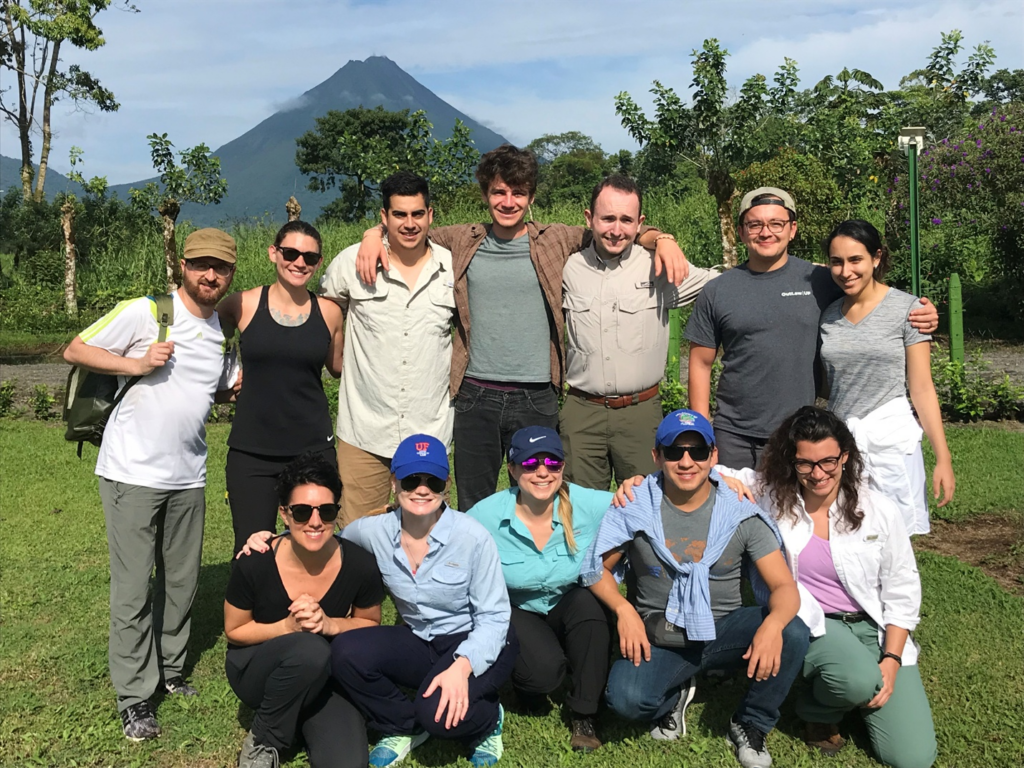
Focused on how to build resilience in watersheds affected by water transfers, climate variability, and human activity, using the Tempisque River Basin as a case study. The cohort examined hydrologic, ecological, and social dynamics to inform sustainable water management strategies, resulting in a formal Memorandum of Understanding with CREHO to support ongoing collaboration.

2015 Cohort — Amazon Basin Hydrologic Transformation
Investigated how large-scale dams and land-use change are transforming hydrology, ecosystems, and human systems in the Amazon Basin. The cohort explored the connections between water, energy, and society as part of the Amazon Dams Network (ADN), an international collaboration examining the social and ecological impacts of hydropower development across the region.

2013 Cohort — Sea-Level Change and Coastal Aquifers
Examined how sea-level rise affects coastal aquifers, freshwater availability, and ecosystems, with a focus on groundwater–coastal interactions and water quality through field-based research in the United States and Mexico. The cohort combined systems-level insights with outreach efforts that fostered ethical responsibility and civic engagement to better understand risks to coastal communities and water resources.

2011 Cohort — Watershed Management and Numeric Nutrient Criteria
Addressed the challenge of managing nutrient pollution and meeting EPA numeric nutrient criteria for Florida’s waters, with a focus on watershed processes, water quality, and regulatory frameworks. The cohort examined links between science and policy to inform more effective nutrient management strategies, while mentoring undergraduate students through research and field activities.